Bergey’s Truck Centers Acquires Cumberland Truck
Bergey’s Truck Centers Acquires Cumberland Truck



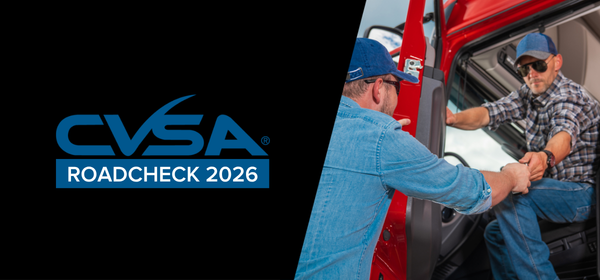
For 72 hours, inspectors across North America will be out in force conducting high-volume roadside inspections on all commercial vehicles.
While a standard Level I inspection covers 37 steps, this year’s focus areas are ELD Tampering and Cargo Securement. Here’s what you need to know to keep your trucks moving and your CSA scores clean.
This year, inspectors for the 2026 CVSA Roadcheck aren’t just looking to see if you have an ELD—they are looking at how you use it. They are specifically hunting for “ghost drivers” and manipulated logs to hide Hours of Service (HOS) violations.
Be sure everything is locked down tight. Improperly secured loads are a top cause of highway accidents and a major red flag for inspectors.
The best way to pass a Roadcheck is to find the problems before the DOT does. A thorough pre-trip inspection focusing on brakes, tires, and lights can turn a potential “Out-of-Service” order into a quick 15-minute inspection and a green light to move on.

acPrep your drivers well ahead of the May 2026 CVSA Roadcheck event. Hold a mandatory drivers meeting to go over all the steps to successfully navigate the Roadcheck. Give your drivers this must-have list to ensure they are ready when they are pulled over.

Visit the CVSA website for more details on the 2026 CVSA Roadcheck.
We use essential cookies and similar technologies to operate, secure, and provide core website features. These technologies remain active because they are necessary for the website to function. With your permission, we also use optional technologies to analyze website traffic, personalize content, and support advertising.
Select Accept All to allow optional technologies, Reject All to use only those necessary for website functionality, or Customize to manage your preferences.
We use cookies to help you navigate efficiently and perform certain functions. You will find detailed information about all cookies under each consent category below.
Necessary cookies are required to enable the basic features of this site, such as providing secure log-in or adjusting your consent preferences. These cookies do not store any personally identifiable data.
Functional cookies help perform certain functionalities like sharing the content of the website on social media platforms, collecting feedback, and other third-party features.
Analytical cookies are used to understand how visitors interact with the website. These cookies help provide information on metrics such as the number of visitors, bounce rate, traffic source, etc.
Advertisement cookies are used to provide visitors with customized advertisements based on the pages you visited previously and to analyze the effectiveness of the ad campaigns.